PLAIA brings together architects, computer scientists and cognitive scientists exploiting AI to empower socio-cultural values, well-being and perception in architectural design.
-
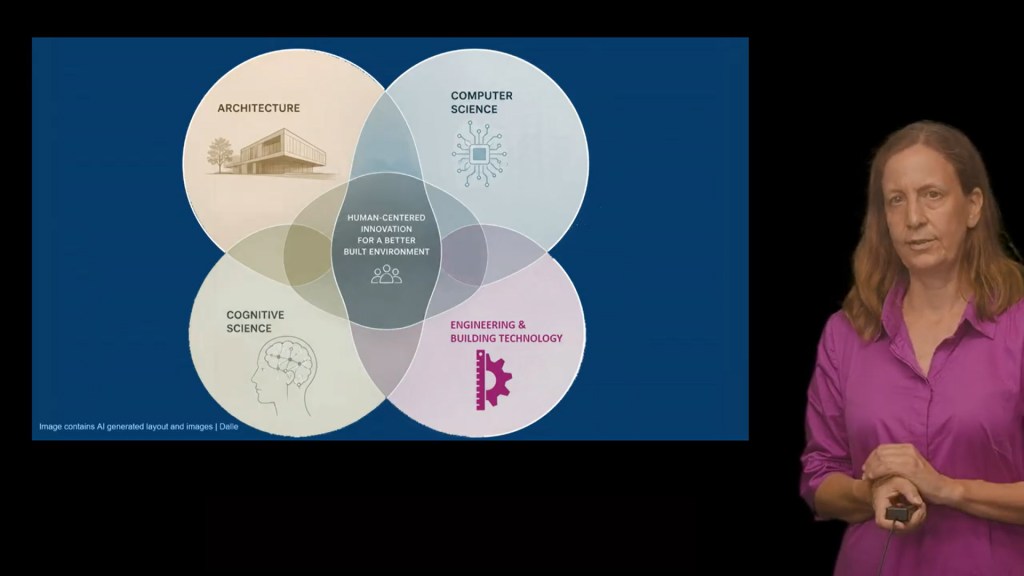
A perspective on AI & Architecture
Read more: A perspective on AI & ArchitectureThis short video reflects on how AI in Architecture empowers current computational workflows and opens new directions. Without providing an exhaustive overview, it addresses specific angles on computational design. While parametric design and simulations are increasingly used for design exploration, how are they impacted by the recent AI developments? What empowers traditional processes? What leads…
-

Co-creation & Exploration Workshop 9 July – Preview
Read more: Co-creation & Exploration Workshop 9 July – PreviewPLAIA is organizing several activities among researchers and stakeholders, to shape a common ground and roadmap. A workshop series of 3 workshops is a pillar activity during 2026. On 9 July, we hosted Workshop 2 of this series. Workshop 2 moved from mapping (workshop 1) to experimentation based on case studies. After a welcome session…
-
From spacecraft to everyday spaces. Designing human experience through neuroscience – Federica Sanchez
Read more: From spacecraft to everyday spaces. Designing human experience through neuroscience – Federica SanchezThursday 9 July 2026 – h. 13.15. Lecture by Federica Sanchez This lecture explores how recent advances in neuroscience are transforming the way we understand and design the built environment. Rather than being a neutral backdrop, architecture continuously influences cognition, emotions, stress, memory, social interactions, and wellbeing. Understanding these effects opens new opportunities for creating…
-
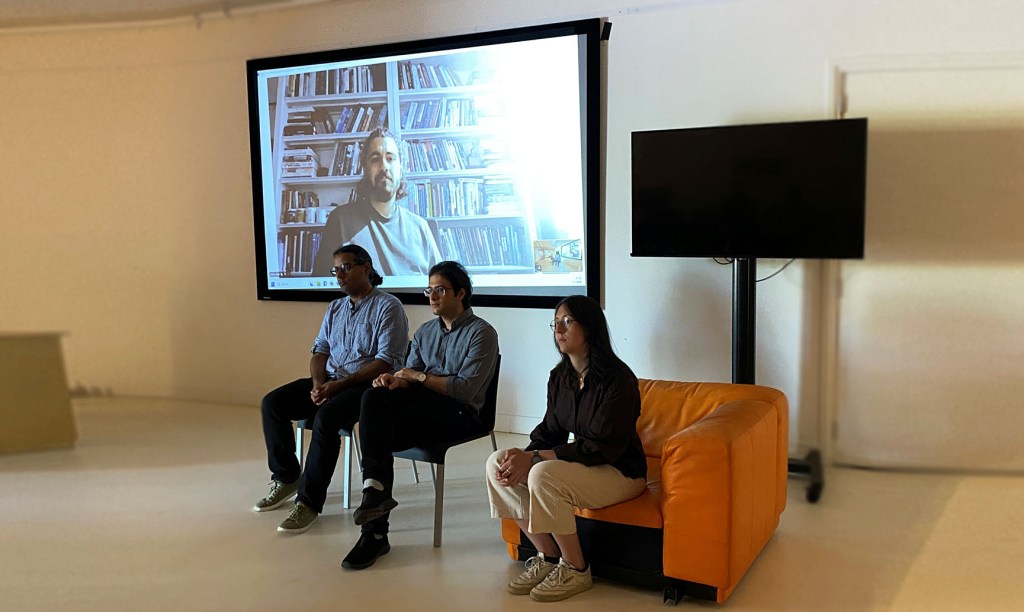
Students Panel
Read more: Students PanelOn 1st July, a small gathering among some (former) MSc/PhD students who work(ed) on/with AI and soft values in Design took place – organized by PLAIA. Several (former) students presented their work, prompted discussion with an audience from academia and practice, and debated some key questions. After their presentations, the (former) students debated in a…
-

An afternoon with PhD/MSc (former) students
Read more: An afternoon with PhD/MSc (former) studentsPLAIA prganized a small gathering among some (former) MSc/PhD students who work(ed) on/with AI and soft values in Design. It takes place on 1st July afternoon – as an opportunity for students from different MSc programs and disciplines to present their work and get to know each other. It is also an opportunity for architects,…
-

Norman Door Effect of Spatial Layouts
Read more: Norman Door Effect of Spatial LayoutsBy Feras Alsaggaf. Architecture is a professional practice that combines design, engineering, and to a large extent, aesthetics through artistic expression to appeal to building users. In the most purest sense, architects are designing for people first. People use the environment on a daily basis – it is as subconscious as the experience of opening…
-
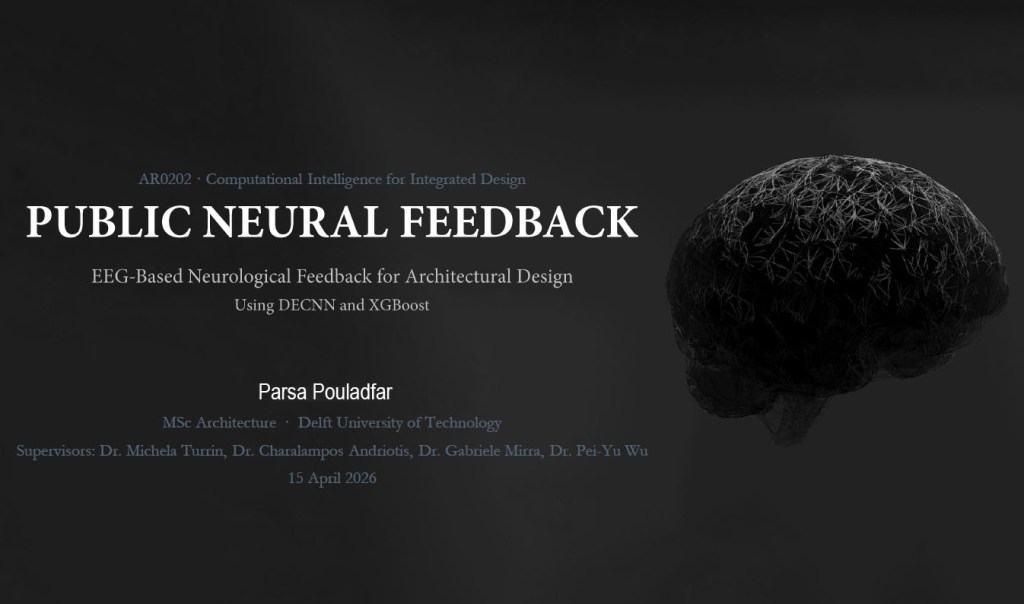
EEG-Based Neurological Feedback
Read more: EEG-Based Neurological FeedbackHow can EEG-Based Neurological Feedback be used in architectural design? Are you Interested in Accessible EEG-Based Neurological Feedback for Architectural Design using DECNN and XGBoost? Parsa Pouladfar has been working on this subject and will present his work. PLAIA is organizing a small gathering among some (former) MSc/PhD students who work(ed) on/with AI and soft…
-
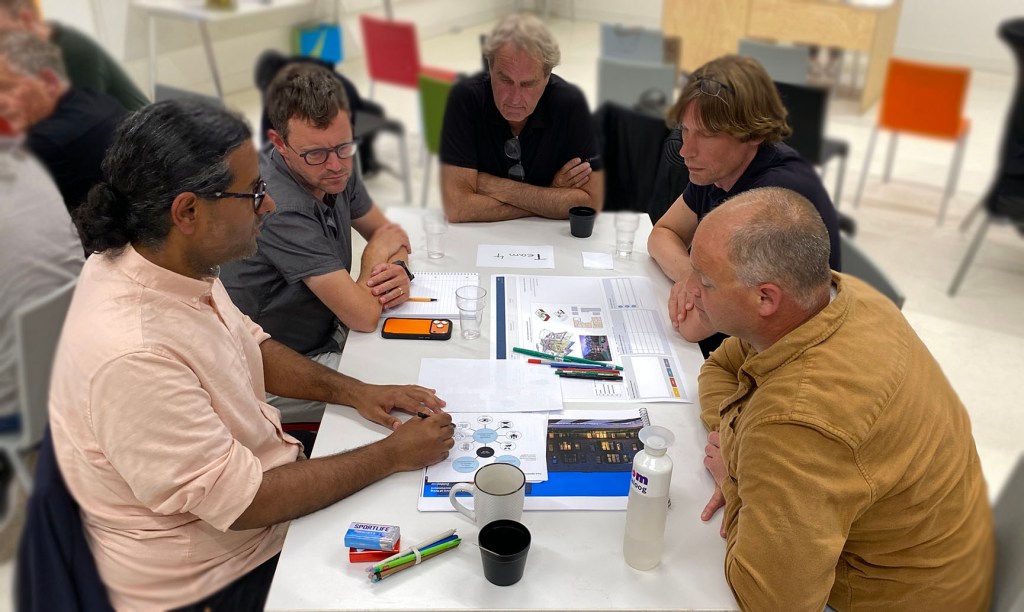
AI & a care centre in Amsterdam Zuid
Read more: AI & a care centre in Amsterdam ZuidThe key takeaways of a group discussion on Soft Values and AI for a neighborhood re-development plan in Amsterdam included thoughts on how we can measure soft values as a central open question. Three complementary methods were at the centre of the debate – Post-occupancy evaluation, Virtual Reality testing, and wayfinding simulations – where the…
-

Rhapsody in West – AI and the collective use of space
Read more: Rhapsody in West – AI and the collective use of spaceThe key takeaways of a group discussion on Soft Values and AI for a neighborhood re-development plan in Amsterdam included thoughts on how soft values require interdisciplinary collaboration across architecture, psychology, cognitive science, AI, policy, and participation. The group discussed how human experience must remain central. Thoughts were shared about is and how economic and…
-
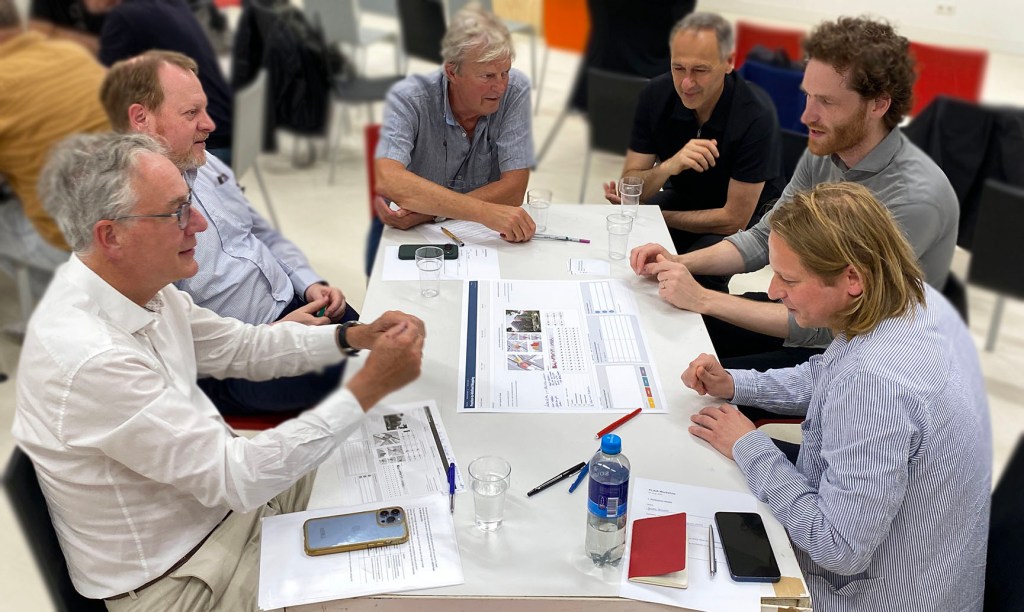
An urban design masterplan in Alphen aan den Rijn
Read more: An urban design masterplan in Alphen aan den RijnThe key takeaway of a group discussion on Soft Values and AI for an urban design masterplan in Alphen aan den Rijn included reflections on how soft values like identity, well-being and socials encounters in a large-scale housing masterplan can be measured. Thoughts addresses the options of measuring them on a small scale and on…
-
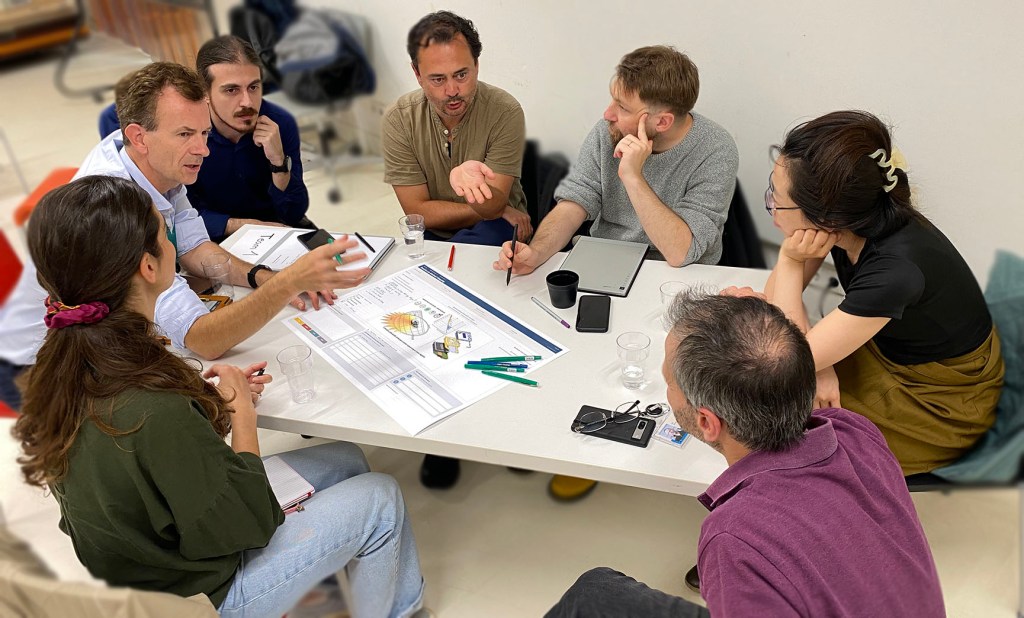
Soft Values and AI for Educational Buildings
Read more: Soft Values and AI for Educational BuildingsThe key takeaway of a group discussion on Soft Values and AI for Educational Buildings pivoted around the role of AI in the design of these buildings. Reflections and questions included thoughts on how soft values are central to educational buildings but often under-articulated and under-valued in processes. Participants shared ideas on how integration requires…
-
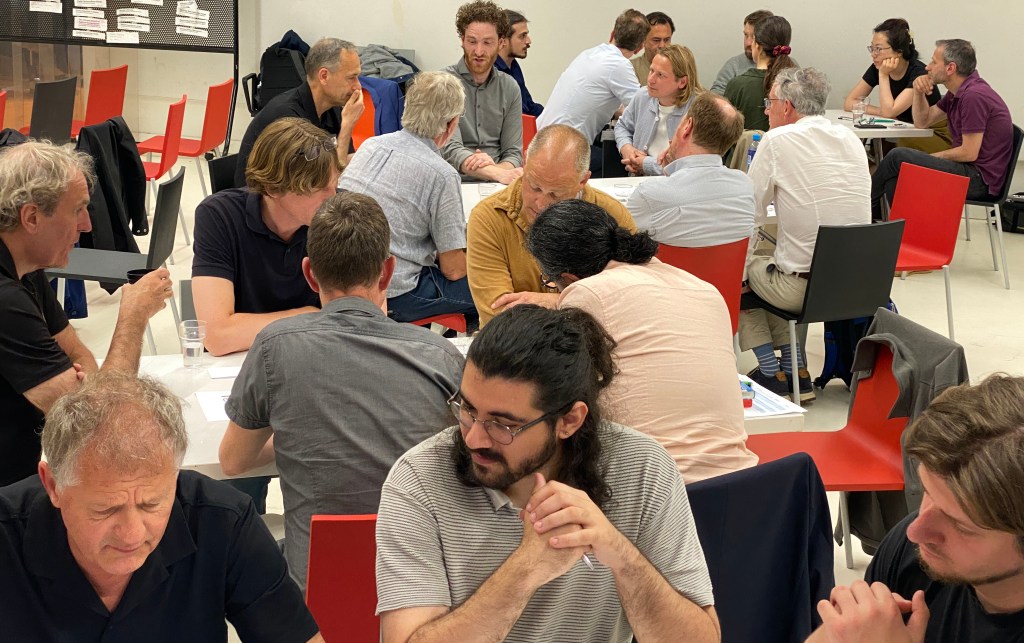
Mapping Workshop at TU Delft
Read more: Mapping Workshop at TU Delft3 June 2026 – On 3rd June, the first workshop of series PLAIA organized took place at TU Delft. Practitioners and academics worked together on the basis of actual projects several firms proposed, to map and discuss professional and academics perspectives on AI and soft values in architecture. PLAIA organized a Workshop series to bring…
-
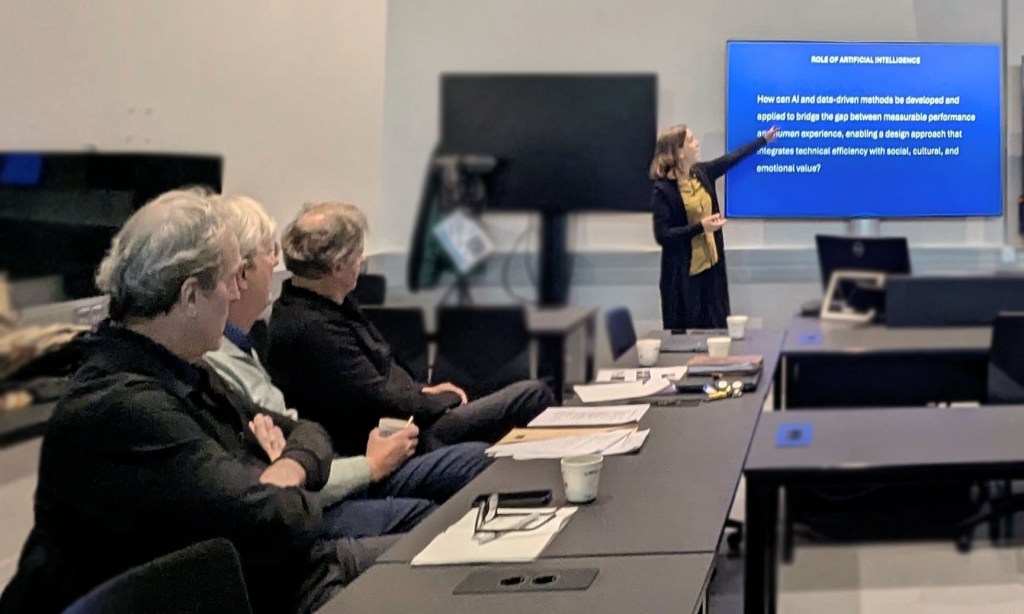
Project KickOff
Read more: Project KickOff22 January 2026 – The workshop brought together researchers and practitioners to discuss the project trajectory in 2026. Over the year, the project will explore how artificial intelligence can support value-driven architectural design by integrating economic, technical (“hard”), and human-centered (“soft”) values. The introductory session by Michela Turrin and Bart Mispelblom framed the discussion on…
-
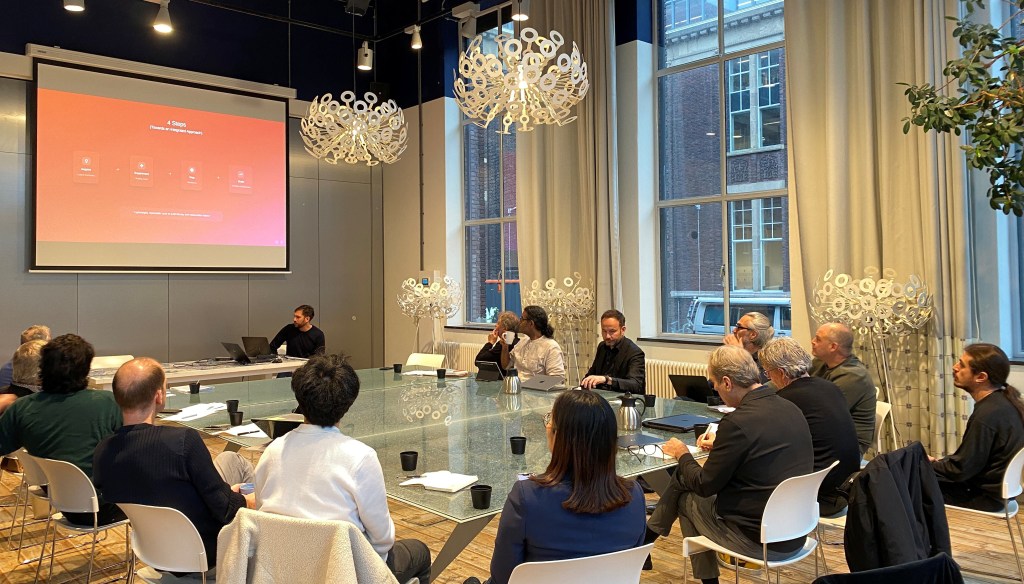
Round Table at TU Delft
Read more: Round Table at TU Delft11 December 2025 – The discussion centered on the opportunities and challenges of integrating AI and soft values into architectural design practice. Participants questioned how intangible qualities such as atmosphere, identity, wellbeing, and sense of place can be represented, analyzed, and embedded within computational design processes, and how AI can support designers’ decision-making without replacing…
-
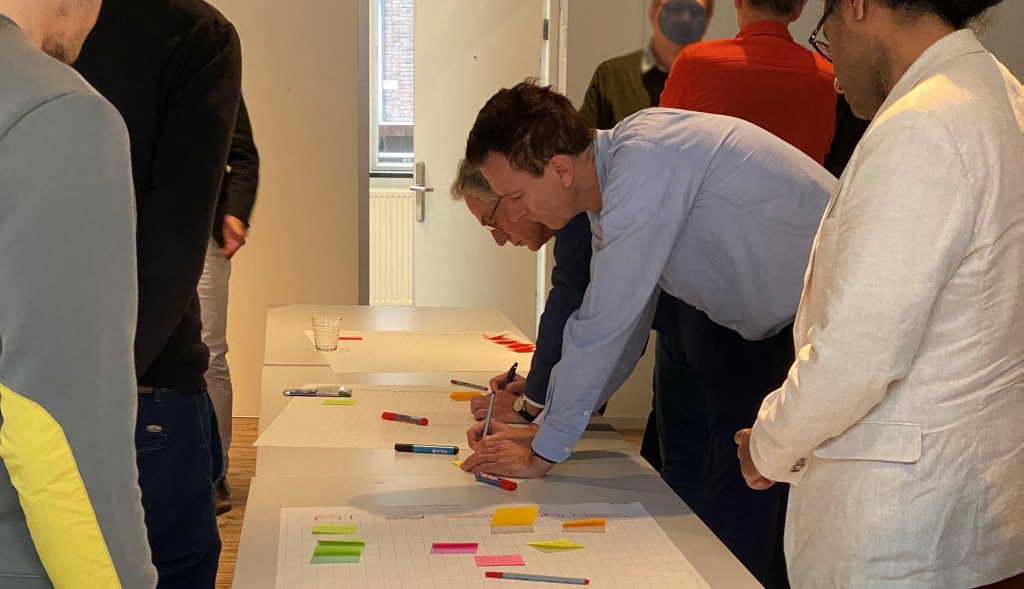
Co-creation workshop at TU Delft
Read more: Co-creation workshop at TU Delft15 October 2025 – How can AI models be developed that recognize, interpret, and generate the soft values of architecture (such as social connection, identity, intuitive spatial experience, well-being)? How can multidisciplinary knowledge (design, psychology, data science) be integrated into AI-driven design models? How can AI strengthen rather than replace the designer – “co-intelligence”? These…
-
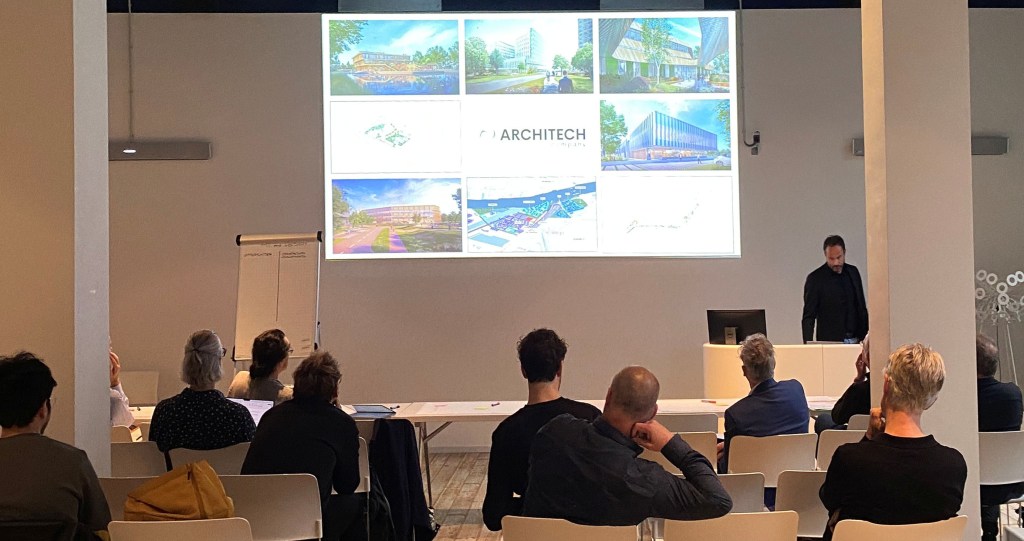
ArchiTech Company Presentation at TU Delft
Read more: ArchiTech Company Presentation at TU DelftIn October 2025, we shared an afternoon at TU Delft Faculty of Architecture and the Built Environment. Several presentations addressed the use of AI in current Dutch Architectural Practice. Among the presentations, Lennaert van Capelleveen exemplified the work done at The ArchiTech Company. Lennaert discussed how the Dutch-based firm ArchiTech Company integrates parametric design and…
-
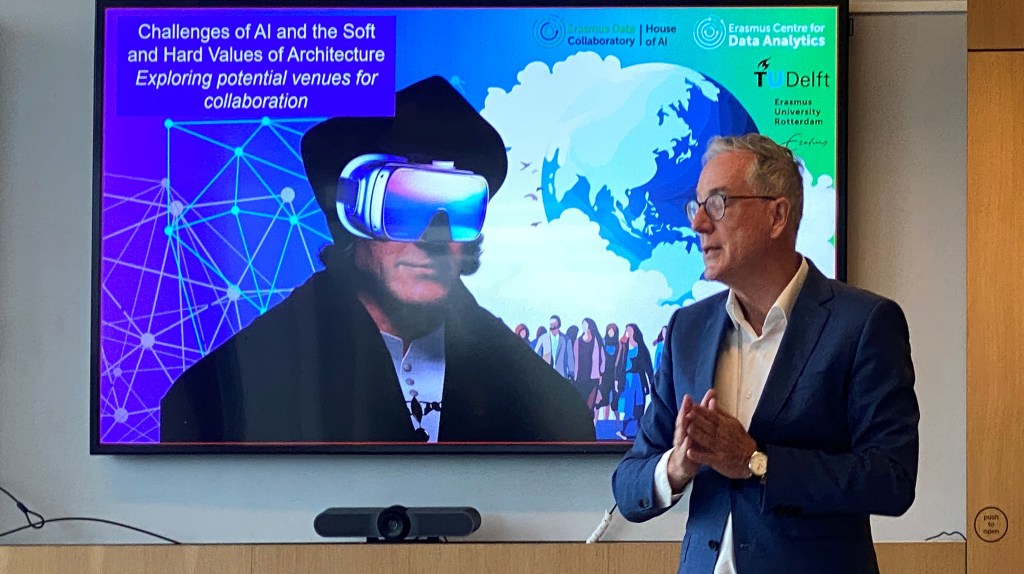
Eric van Heck Presentation at EUR
Read more: Eric van Heck Presentation at EUROverview of on-going activities on AI at Rotterdam School of Management. Eric van Heck is a chaired Professor of Information Management and Markets, Rotterdam School of Management, Erasmus University. His research focuses on harnessing technology for digital and circular business transformations, integrating insights from economics, management science, information systems, and computer science. Key areas of…
-
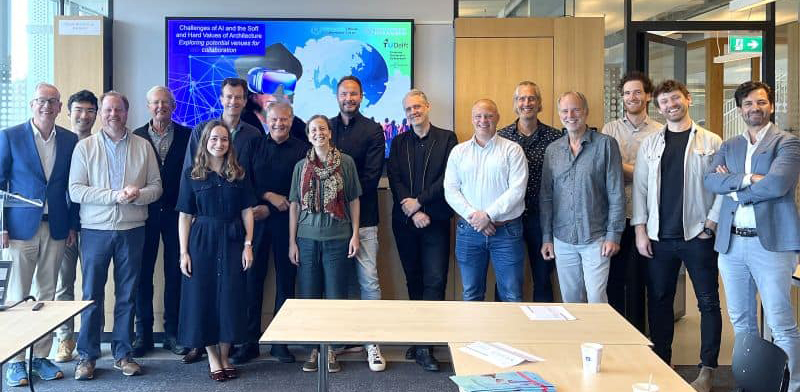
Round Table on AI in Architecture
Read more: Round Table on AI in ArchitectureSeptember 2025 – How is AI impacting the architecture profession? We had the pleasure of being hosting at the Erasmus Centre for Data Analytics for a round table. A group of esteemed experts from various architecture firms, along with colleagues from TU Delft and the Erasmus Data Collaboratory. Together, we explored the transformative impact of…
-
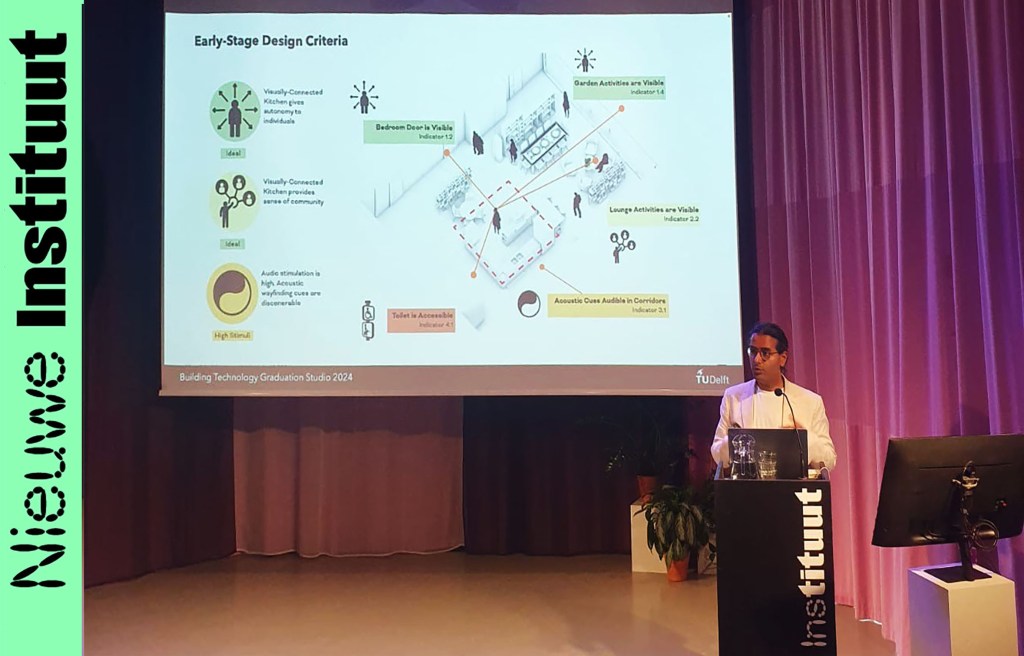
Feras Alsaggaf presents at the Nieuwe Instituut in Rotterdam
Read more: Feras Alsaggaf presents at the Nieuwe Instituut in RotterdamFeras presented his thesis at the NAI. The presentation showcased an innovative intersection of healthcare, architecture, and computational design aimed at improving quality of life for vulnerable individuals. In his thesis, Feras explored the potential of artificial intelligence to support the design of dementia-friendly residential care environments. The research focused on how architectural layouts influence…
-
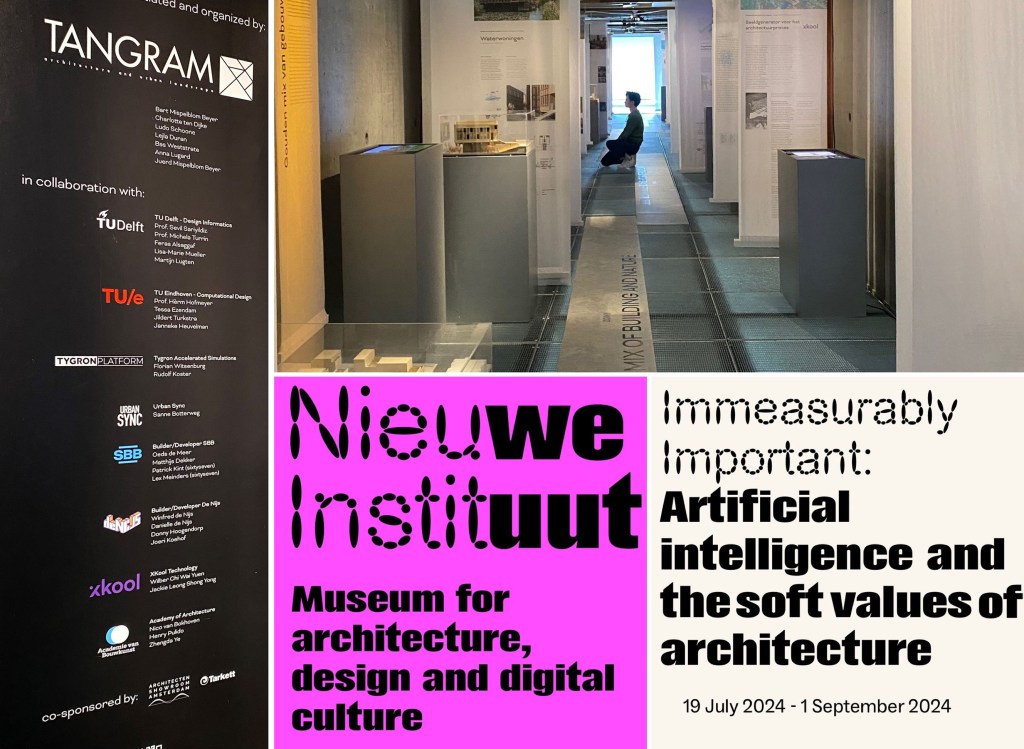
Exhibition at Nieuwe Instituut in Rotterdam
Read more: Exhibition at Nieuwe Instituut in RotterdamTANGRAM curated an exhibition that traveled around NL in 2024-25. It featured also the MSc thesis work by Feras Alsaggaf on human-centred AI for dementia-friendly design. The exhibition challenged the relation of AI and Soft Values. AI models learn by identifying patterns in large datasets, making them highly valuable for spatial design processes. Yet these…

