PLAIA is organizing several activities among researchers and stakeholders, to shape a common ground and roadmap. A workshop series of 3 workshops is a pillar activity during 2026. On 9 July, we hosted Workshop 2 of this series. Workshop 2 moved from mapping (workshop 1) to experimentation based on case studies.

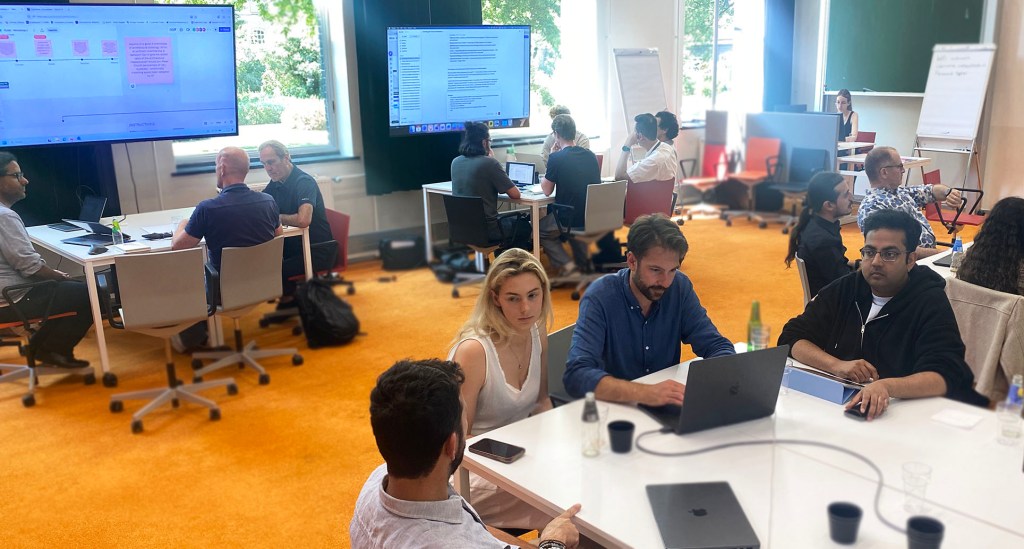
After a welcome session in which we shared updates on the project, Federica Sanchez gave a Keynote Lecture on Architecture and Neuroscience, sharing insights on the use of VR and AI in several design processes at Lombardini 22. Right after, the workshop started, structured in 3 moments: Sprint Part 1: Explore – examine the case, relevant soft values, available knowledge, and data; Sprint Part 2: Define – formulate the design challenge and outline a possible workflow; Sprint Part 3: Present – share the proposed approaches. A joint discussion concluded the afternoon.
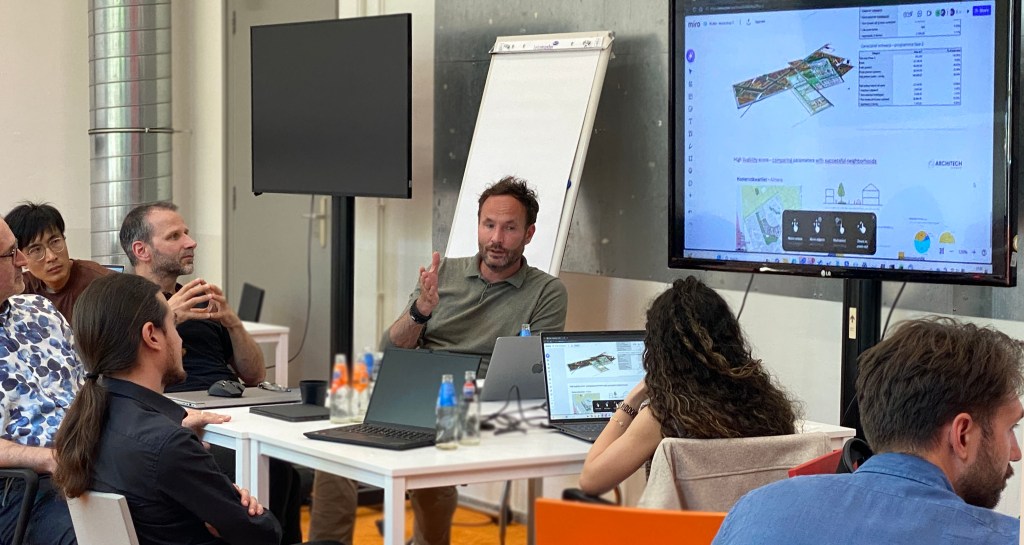
Participants included academics from several Universities and Educational Institutes – such as TU Delft Faculty of Architecture, TU Delft Faculty of Computer Science, Erasmus University Rotterdam, TU Eindhoven, Rotterdam Academy of Architecture and Urban Design, Amsterdam Academy of Architecture, among others. Many professionals from architectural and engineering firms participated as well – such as from Haskoning, ARUP, Elephant studio, office 4 Radical building, deArchitektenCie, NE+AR, Lombardini22, GROOSMAN, ArchiTech Company, TANGRAM Architekten, among others.
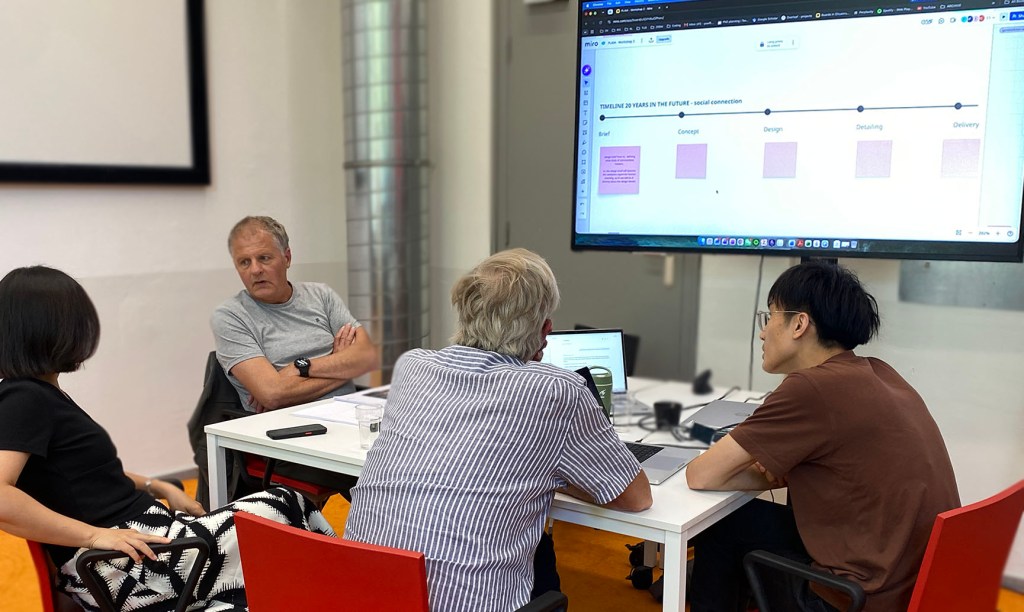
Participants were welcome to bring case study to work on during the sprint. Cases were invited to fall within one of three complementary categories, distinguished by scale, phase of development and time:
1. Urban Transformation
Long-term and complex urban development, in which demography, mobility, energy, ecology, climate, policy, spatial planning, participation or other complex dimensions converge. AI may support scenario development, evaluation of trade-offs and adaptive decision-making under changing conditions. Examples include the Eindhoven Development Perspective ( by Eindhoven Municipality) and the Alphen aan den Rijn development ( by Groosman) discussed in Workshop 1.
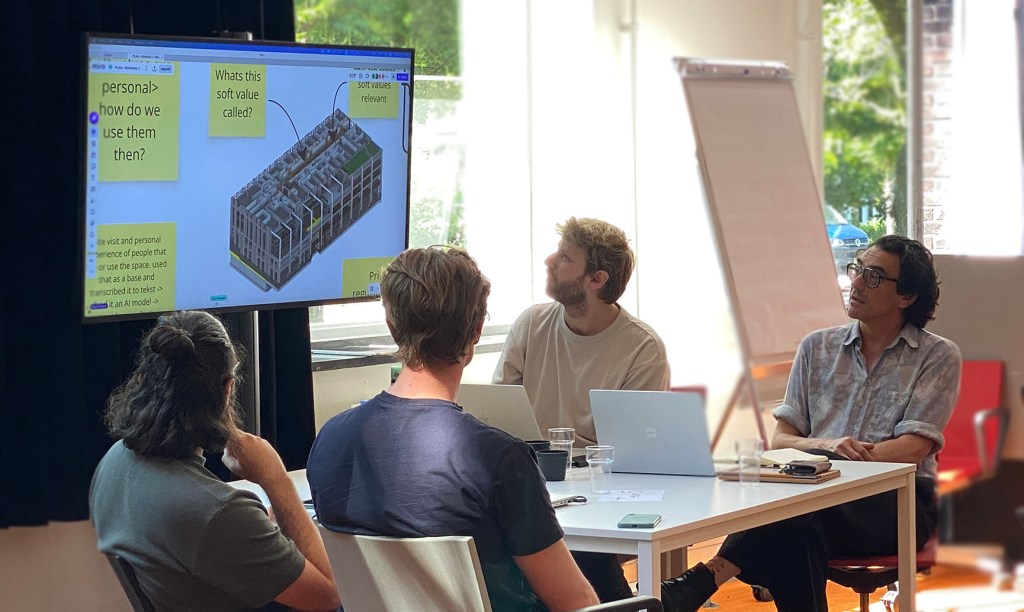
2. Spatial and Functional Design
Project-level cases examining how soft values influence spatial and functional design decisions. Realized projects can provide insight into design principles, user experience and measurable effects, while informing future AI-supported design processes. Examples include the Rhapsody in West and Zuidoever by TANGRAM discussed in Workshop 1.

3. Architectural Expression and Technical Development
Cases focusing on the translation of a spatial concept into architectural expression and technical elaboration. These may explore how parametric models and AI can address technical performance alongside materiality, atmosphere, identity and user experience. Examples discussed in workshop 1 are the project by the ArchiTech Company.
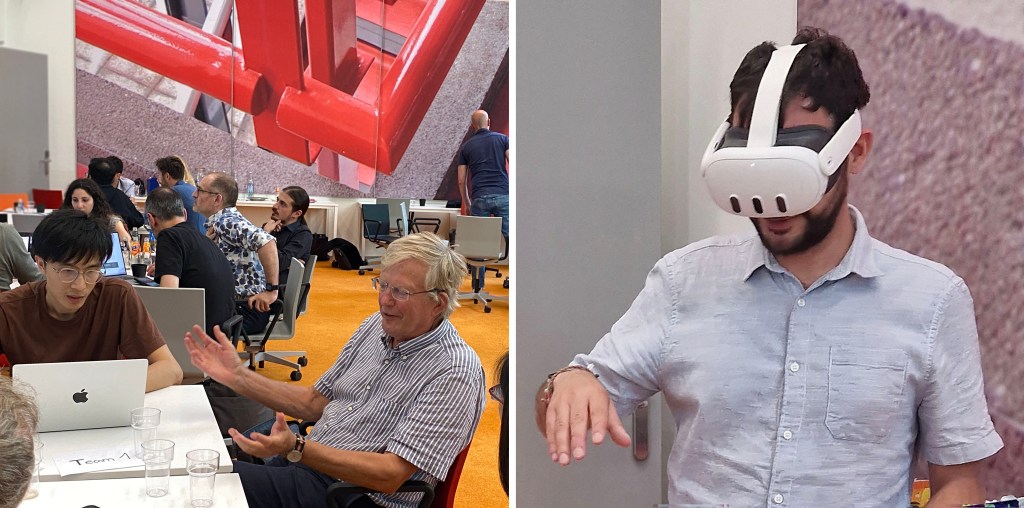
The outputs of the workshop are ideas and reflections for computational workflows fitting the case studies. They are meant to be small pilots to outline concrete examples. This will be captured in a project portfolio, which is part of a broader trajectory. The through-line across the 3 workshops is the co-developement of a roadmap, outlining ideas and some practical guides for bringing soft values into design with the support of AI and computational tools. Workshop 1 had set its foundations, Workshop 2 turned them into examples of workflows outlines, Workshop 3 (planned in Fall) will deepen a case. By participating in the series, the workshop attendees can contribute directly to methods and insights that can support future projects within the own organization and the wider architectural field.
These workshops are financed by ClickNL. The results of these workshops are part of the PLAIA project. Do you want to know more about the results? Would you like to participate in these workshops? You can contact Michela Turrin (project lead) and Antonia Sattler (main researcher) at TU Delft.


Leave a Reply