
Thursday 9 July 2026 – h. 13.15. Lecture by Federica Sanchez
This lecture explores how recent advances in neuroscience are transforming the way we understand and design the built environment. Rather than being a neutral backdrop, architecture continuously influences cognition, emotions, stress, memory, social interactions, and wellbeing. Understanding these effects opens new opportunities for creating spaces that actively support human health. The lecture will present a series of research projects and real-world case studies spanning both extreme and everyday environments. Drawing on experimental research combining virtual reality, biometric measurements, and behavioural analysis, the lecture will illustrate how physiological data can be used to evaluate architectural solutions and generate evidence-based design strategies. Finally, it will discuss the emerging role of artificial intelligence in analysing complex human data and developing predictive models capable of estimating the impact of architectural decisions before buildings are constructed. By bridging neuroscience, architecture, and technology, the lecture proposes a shift towards evidence-based design, where buildings are conceived not only for functionality and aesthetics but also for their measurable impact on human experience.
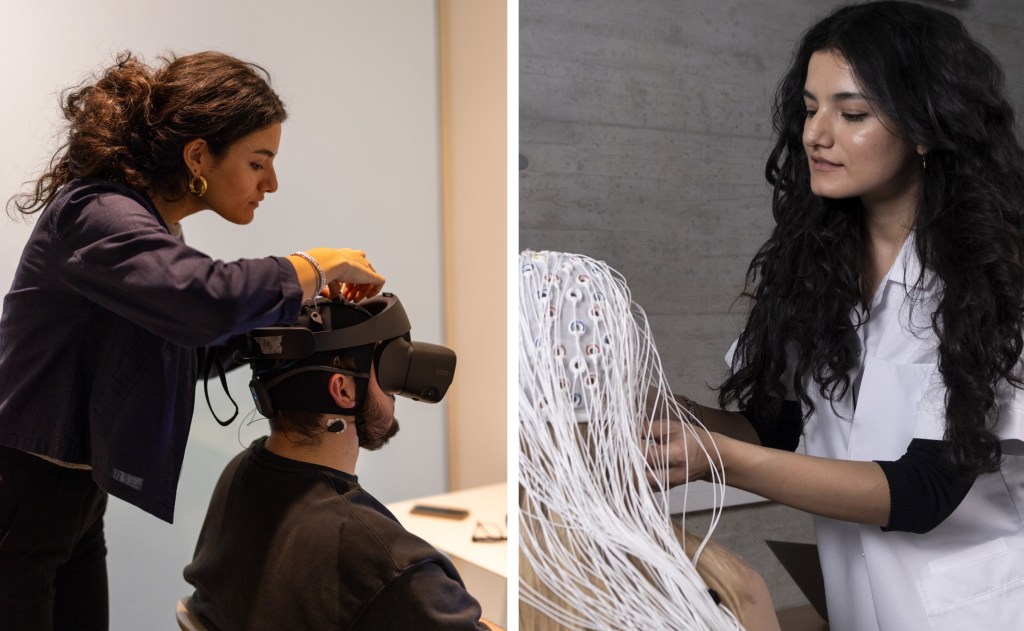
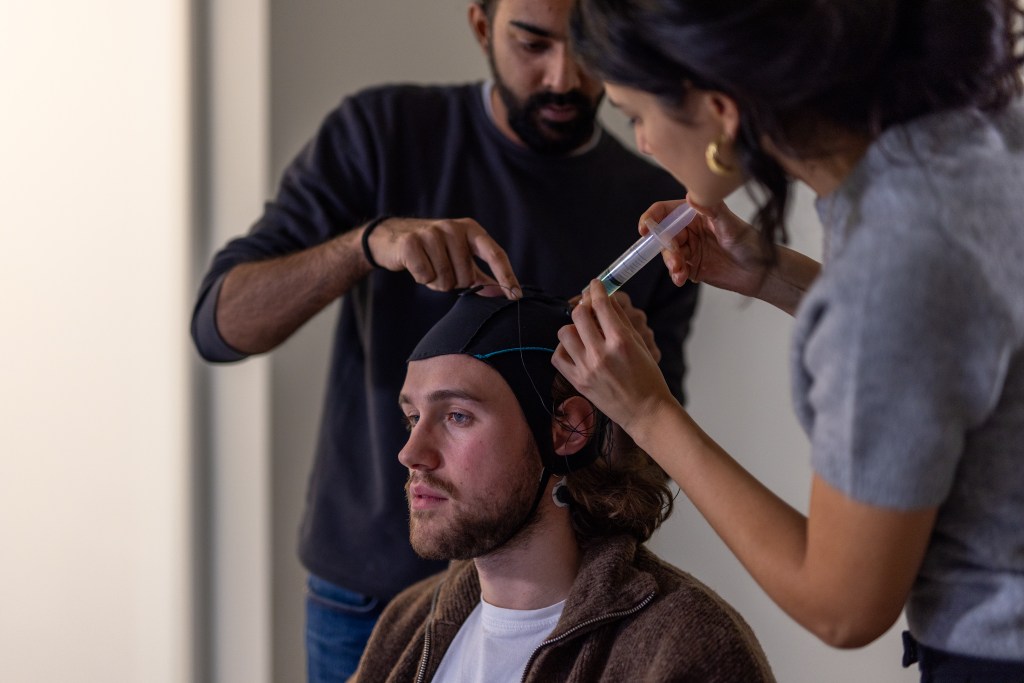
This lecture will open the PLAIA Workshop 2 – at the TU Delft Faculty of Architecture and the Built Environment. The workshop pivots around a design-research sprint where interdisciplinary teams outline reusable workflows for designing with soft values and computational tools. Feel welcome to register and join! We look forward to Federica’s lecture and other activities.


Leave a Reply